Spokane Tribe of Indians
Spokane Tribe of Indians: Protecting the Columbia Plateau Through Fisheries, Habitat Restoration, and Cultural Stewardship

Spokane Tribe of Indians
People of the River: Protecting Culture, Waterways, and Wildlife in the Columbia Plateau
The Spokane Tribe of Indians, part of the Interior Salish people, has lived in harmony with the lands and rivers of the Columbia Plateau for centuries. With ancestral ties to more than three million acres across what is now northeast Washington, the Tribe continues to lead in environmental protection, fisheries restoration, and cultural preservation—all from their present-day home in Wellpinit, Washington.
Brief Tribe History

The Spokane people historically thrived along the Spokane and Columbia Rivers, fishing the rapids at Spokane Falls and gathering with family and neighboring tribes at important cultural sites. Their name—Sp’q’n’i, or “Children of the Sun”—reflects their deep relationship with the land and sky.
In 1881, President Rutherford B. Hayes established the Spokane Indian Reservation, a significantly reduced territory that disrupted the Tribe’s way of life. The Spokane bands were divided, with some relocated to other reservations including Coeur d’Alene, Flathead, and Colville. Despite these challenges, the Spokane Tribe remained deeply connected to their ancestral lands and continued to uphold traditional practices and stewardship values.
Today, the Tribe manages a land base of approximately 159,000 acres and remains a vital contributor to regional restoration and cultural resilience.


Key Programs & Partnerships
The Spokane Tribe of Indians is a leader in fish and wildlife conservation, with programs focused on restoring native species, enhancing water quality, and preserving critical habitats. Their Spokane Tribal Hatchery produces kokanee salmon and rainbow trout for release into Lake Roosevelt, Banks Lake, and tribal inland lakes—offsetting the impacts of hydroelectric development on the Columbia River system.
The Lake Roosevelt Fisheries Evaluation Program, co-managed by the Spokane Tribe, tracks the health and effectiveness of fisheries restoration efforts, while the Lake Roosevelt White Sturgeon Recovery Project aims to preserve one of the river’s most endangered species. The Tribe also actively monitors all fish-bearing streams on the reservation and contributes to regional databases that guide long-term water and habitat management.
Rooted in ancestral knowledge and empowered by modern science, the Spokane Tribe’s environmental efforts support both tribal subsistence and the health of broader ecosystems across the Inland Northwest.
Learn more about the Spokane Tribe of Indians
Recent Projects by
Spokane Tribe of Indians

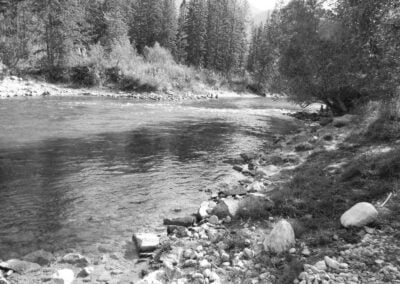
Columbia River Treaty
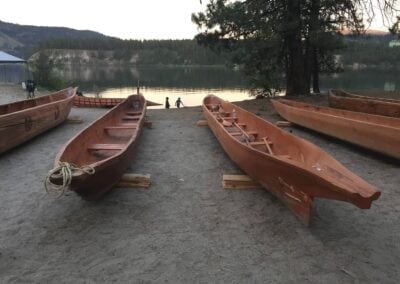
Canoe Journey and Gathering at Kettle Falls
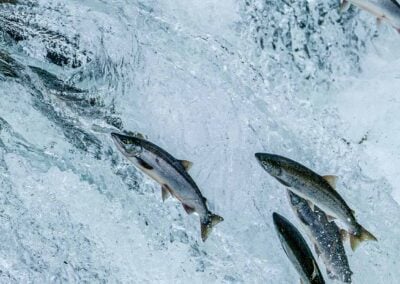
Fish Reintroduction into the U.S. And Canadian Upper Columbia River
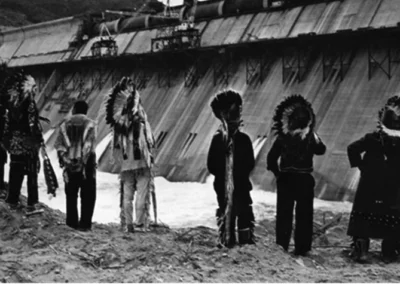
Upper Columbia River Basin Fish Passage and Reintroduction Project – Phase 1
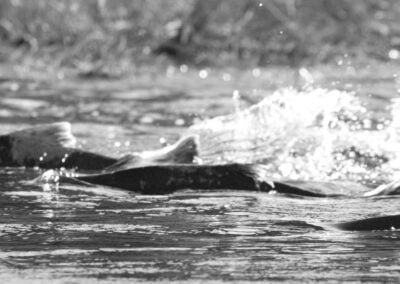
Treaty Talks: A Journey up the Columbia River for People and Salmon