Wildlife

UCUT Wildlife Conservation Projects: Protecting Native Species and Restoring Habitats Across the Upper Columbia River Basin

Protecting Wildlife and Restoring Native Species Through Tribal-Led Projects Across the Upper Columbia Basin

divider line

UCUT is committed to preserving the biodiversity of the Upper Columbia River Basin by protecting wildlife populations, restoring critical habitats, and supporting balanced ecosystems. From elk and big game to birds of prey and culturally significant species, our efforts ensure wildlife thrive across tribal lands and traditional territories for generations to come.

Goals and Outcomes

divider line
  • Restore habitat critical to the survival of native and culturally important wildlife

  • Monitor and manage species through collaborative, science-based programs

  • Suppress invasive species that threaten ecosystem balance

  • Enhance connectivity and corridors for migratory wildlife

  • Support food sovereignty, culture, and ecological resilience through wildlife conservation

View our Wildlife Projects
divider line
UCUT Wildlife Monitoring and Evaluation Program (UWMEP)
UCUT Wildlife Monitoring and Evaluation Program (UWMEP)

Through agreements with the Bonneville Power Administration (BPA), the five Tribes of the Upper Columbia United Tribes receive mitigation funding to procure land and to support ongoing ecological restoration of these mitigation properties after the BPA dam installation inundated Tribal wildlife habitat. The UCUT established the UCUT Wildlife Monitoring and Evaluation Program (UWMEP) …
Site Preparation Effects on Vegetation, Tree Growth and Ungulates
Site Preparation Effects on Vegetation, Tree Growth and Ungulates

The UCUT’s Timber, Fish and Wildlife Programs partnered with Syringa Ecological Consulting, LLC. on a Vegetation Composition, Tree Growth and Ungulate Use Response to Three Forestry Site Preparations Report. This report summarizes a multi-year study on the effects of post timber harvest vegetation suppression treatments, known as site preparations, on vegetation composition and ungulate (large mammals with hooves) use. Study sites were located on tribal lands of the Kalispel Tribe of Indians, the Coeur d’Alene Tribe of Indians, and the Colville Confederated Tribes.
Columbia River Treaty

Columbia River Treaty

Negotiations have started that will determine the future of our region: the negotiations of the Columbia River Treaty. The Columbia River Treaty was originally ratified between the U.S. and Canada in 1964 to reduce the risk of floods in downstream cities like Portland, Oregon, and to develop hydropower capacity. Tribes and First Nations are advocating a third major criteria be included in …
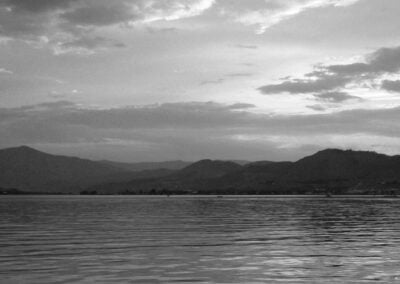
The Value of Natural Capital in the Columbia River Basin
The Value of Natural Capital in the Columbia River Basin

The Columbia River Basin is an abundant watershed, supporting immense forests, the largest salmon runs in the world, and diverse and abundant wildlife. These natural resources benefit our region with sustainable food, jobs, recreation, clean water, and a healthier environment, among many others. Yet, these natural resources have been seriously degraded by dams and other developments in the basin. When assets, whether built or natural, are not managed sustainably, economic loss occurs.
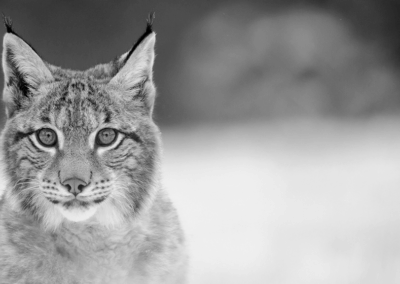
Coeur d’Alene Tribe Forest Carnivore Survey
Coeur d’Alene Tribe Forest Carnivore Survey

Through millennia, the Coeur d’Alene Tribe survived using what nature provided. The tribe realized they are part of one life on earth with animals, birds, fish and plants. In the recent past, resources have declined or been lost from the tribe’s ancestral lands. Sacred animals like buffalo and caribou have disappeared. Forest carnivores like lynx, wolverines, fishers and martens face an …
UCUT Video Gallery

UCUT Video Gallery

A YEAR TO REMEMBER 2022 was a monumental year for UCUT. After years of planning and effort, visions have become realities. This video highlights those projects and success stories and provides insight into the ongoing efforts of the 5 member tribes to restore the fish and wildlife along with the waters and habitats of the Upper Columbia. https://vimeo.com/818231993 Salmon …
No results found.

Explore More of Our Work

divider line

Want to see what else we’re doing across the Upper Columbia region? Browse all of our ongoing and completed projects.

Meet the Tribes Behind the Work

divider line

Our projects are made possible by the leadership and collaboration of five sovereign tribal nations. Learn more about the Member Tribes that make up UCUT and their connection to this land.

Have a Question or Want to Learn More?

divider line

We’re here to connect. Reach out to our team for more information about this project or to explore ways to get involved.