Habitat

UCUT Habitat Restoration Projects: Reconnecting Ecosystems, Enhancing Biodiversity, and Protecting Tribal Lands in the Upper Columbia Basin

UCUT Habitat Restoration Projects: Rebuilding Ecosystems and Supporting Native Species Across the Upper Columbia Basin

divider line

UCUT works across tribal lands to restore and protect critical habitats that support fish, wildlife, and native plants. Our efforts help reconnect fragmented landscapes, improve ecosystem function, and uphold the health of culturally significant places. These projects ensure that the Upper Columbia River Basin remains a thriving, balanced environment for generations to come.

Goals and Outcomes

divider line
  • Restore riverbanks, wetlands, and uplands impacted by development and industry

  • Enhance connectivity between habitats to support wildlife migration and reproduction

  • Control erosion and improve water quality through natural infrastructure

  • Protect culturally significant ecological areas vital to tribal lifeways

  • Build climate-resilient landscapes that support biodiversity year-round

View our Habitat Projects
divider line
Frequently Asked Questions – Salmon Reintroduction Upstream of Chief Joseph and Grand Coulee Dams

Frequently Asked Questions – Salmon Reintroduction Upstream of Chief Joseph and Grand Coulee Dams
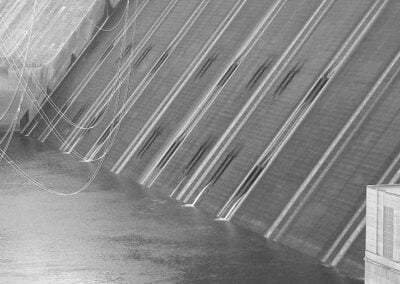
Why do the tribes want to bring salmon back above Grand Coulee Dam? Answer: Since time immemorial, indigenous people in the Columbia basin sustained a way of life dependent on a healthy ecosystem. Salmon were, and continue to be, critical to the ecosystem and the physical and spiritual health of Northwest Indian tribes. Eighty years ago, Grand Coulee Dam cut off salmon from thousands …
Columbia River Treaty

Columbia River Treaty

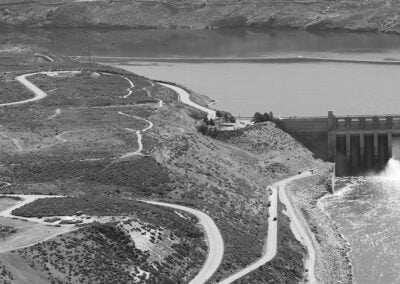
Negotiations have started that will determine the future of our region: the negotiations of the Columbia River Treaty. The Columbia River Treaty was originally ratified between the U.S. and Canada in 1964 to reduce the risk of floods in downstream cities like Portland, Oregon, and to develop hydropower capacity. Tribes and First Nations are advocating a third major criteria be included in …
Kalispel Tribe of Indians – Northern Pike Suppression
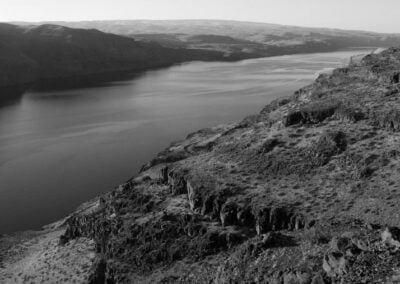
Kalispel Tribe of Indians – Northern Pike Suppression

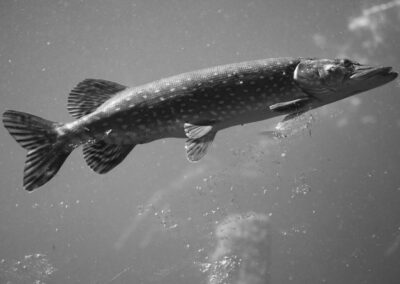
Northern Pike are incredibly close to invading the portion of the Columbia River that still contains salmon and steelhead. Pike eat a lot of fish and this will be catastrophic to salmon and steelhead populations in the Columbia River system. The Kalispel Tribe and Washington Department of Fish and Wildlife have spent over a decade studying them and fighting to suppress the source population …
The Value of Natural Capital in the Columbia River Basin
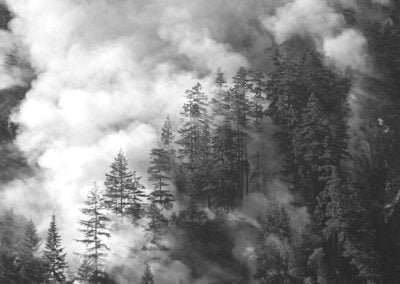
The Value of Natural Capital in the Columbia River Basin

The Columbia River Basin is an abundant watershed, supporting immense forests, the largest salmon runs in the world, and diverse and abundant wildlife. These natural resources benefit our region with sustainable food, jobs, recreation, clean water, and a healthier environment, among many others. Yet, these natural resources have been seriously degraded by dams and other developments in the basin. When assets, whether built or natural, are not managed sustainably, economic loss occurs.
Climate Change Workshop

Climate Change Workshop

In October 2016, UCUT was proud to host a climate change workshop, giving voice to 12 distinguished presenters who gave their views on different aspects of climate change and its upcoming impacts to our land, wildlife, fish and water, as well as the roles of Native Tribes in helping shape Climate Change policies and planning. Click here to download the agenda and click on the links below …
Coeur d’Alene Tribe Forest Carnivore Survey

Coeur d’Alene Tribe Forest Carnivore Survey

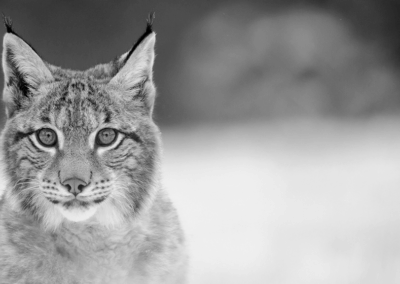
Through millennia, the Coeur d’Alene Tribe survived using what nature provided. The tribe realized they are part of one life on earth with animals, birds, fish and plants. In the recent past, resources have declined or been lost from the tribe’s ancestral lands. Sacred animals like buffalo and caribou have disappeared. Forest carnivores like lynx, wolverines, fishers and martens face an …
No results found.

Explore More of Our Work

divider line

Want to see what else we’re doing across the Upper Columbia region? Browse all of our ongoing and completed projects.

Meet the Tribes Behind the Work

divider line

Our projects are made possible by the leadership and collaboration of five sovereign tribal nations. Learn more about the Member Tribes that make up UCUT and their connection to this land.

Have a Question or Want to Learn More?

divider line

We’re here to connect. Reach out to our team for more information about this project or to explore ways to get involved.